
ADHD Awareness Month – what you need to know
PUBLISHED 06-10-2026
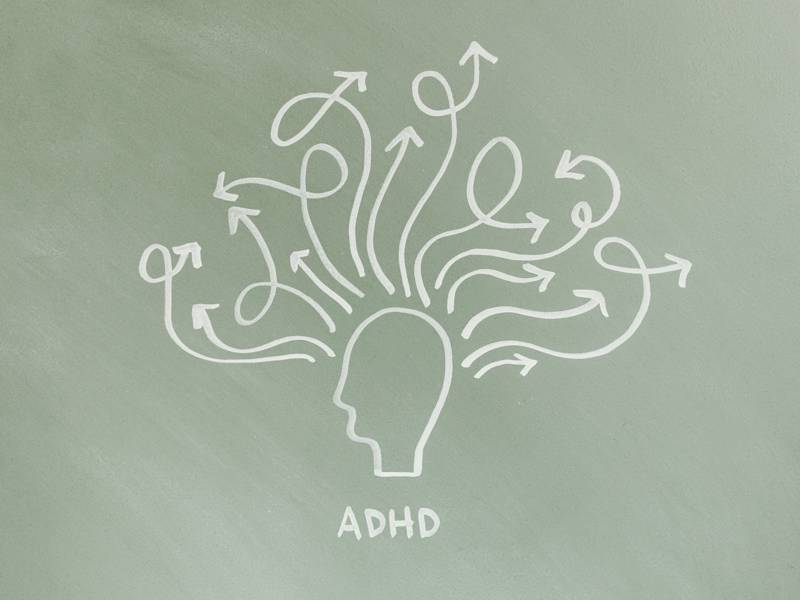
October is ADHD Awareness Month – a time to raise awareness and increase understanding. We spoke with Gemma Regan, Head of Learning Support & Inclusion at City of Portsmouth College, to find out more about ADHD, and how the College can support you if you have it.
Hi Gemma, can you tell us what ADHD is?
ADHD is a neurodevelopmental condition, which means the brain works differently in areas including attention, activity and impulse control. Someone with ADHD might find it difficult to concentrate, organise themselves, control impulses or manage restlessness. However, ADHD affects everybody differently. Having ADHD does not mean someone is less intelligent or less capable.
What is one fact about ADHD that you think people might not know?
ADHD isn't always about an inability to pay attention. A person's difficulties with attention can vary considerably depending on the activity and situation.
So, if you have ADHD, how might it affect you?
There are a few ways it might affect you. I’m going to list them here in bitesize pieces!
You might:
- find it difficult to concentrate, particularly on something that doesn't interest you
- become distracted by noises, people, your phone or your own thoughts
- forget appointments, instructions or where you've put things
- find organising yourself and managing time difficult
- feel restless or need to move
- interrupt or say something before you've had time to think
- start something enthusiastically but struggle to finish it
- find certain everyday tasks require much more effort than other people realise.
Some of our students will have ADHD – how might it affect their studies?
College can bring additional challenges because you're often expected to manage your own timetable, deadlines and independent study.
ADHD could make it harder to:
- concentrate during a long lesson or piece of independent work
- manage time, including arriving on time or judging how long an assignment will take
- start assignments, even when you understand what you're supposed to do
- break a large assignment into manageable steps
- stay organised, such as remembering equipment, deadlines and appointments
- follow lengthy instructions or remember several instructions at once.
- None of these things mean a student is lazy or doesn’t care about their education.
What do we do at City of Portsmouth College to help someone with ADHD?
There is a lot we can do, depending on a student’s needs and this could include:
- talking with our team in Learning Support about what they find difficult and what helps
- agreeing appropriate reasonable adjustments with their teachers
- breaking bigger tasks into smaller, manageable steps
- help with planning, organisation and deadlines through our Study Centres
- reducing distractions where appropriate
- appropriate exam access arrangements if a student meets the relevant criteria and on referral from their teacher
- regular check-ins or prompts
- helping teachers understand the strategies that work for them
- provision of fidget toys, if appropriate.
If a student has a friend with ADHD, are there ways they can support them?
Absolutely! Firstly, be patient – forgetting something doesn’t necessarily mean your friend doesn't care. Also being clear with any instructions, like confirming times and places, and supporting with studies (not taking over) are really helpful.
There are also amazing resources online if you want to learn more about ADHD – the more you know, the more you can support your friend. But most importantly, notice their strengths as well as their difficulties, and treat them as your friend, not their diagnosis.
Finally, what are some common myths about ADHD that you can correct here today?
- “ADHD just means being hyperactive”. Not necessarily – some people mainly experience inattentive symptoms and may not appear particularly hyperactive at all.
- “People with ADHD just need to try harder.” Actually, someone can be trying incredibly hard and still have difficulties with attention, organisation, impulsivity or completing tasks.
- “You grow out of ADHD.” In fact, ADHD can continue into adulthood. Some people aren't diagnosed until they are adults.
- “You can't do well academically if you have ADHD.” It’s really important to debunk this one. ADHD doesn't determine someone's intelligence or potential. The right environment, strategies and support can make a significant difference.
If you think you might need additional support when you come to City of Portsmouth College, speak to our teams at our next Open Event, on October 14 and 15.