Engineering
Build big in engineering
At City of Portsmouth College, students don’t just study engineering — they lead it. In a unique cross-department project, learners team up with computing, marketing, media and law to design, build and launch a real hovercraft, in partnership with Hovertravel. From welding the frame to wiring the electronics, branding the craft and navigating legal approvals, this is engineering that's literally making waves.
ENGINEERING
Subject overview
What's on offer
With an engineering pioneer in Isambard Kingdom Brunel hailing from Portsmouth, it stands to reason that you might want to follow in his footsteps. If innovation is in your veins, City of Portsmouth College is the ideal place to channel it.
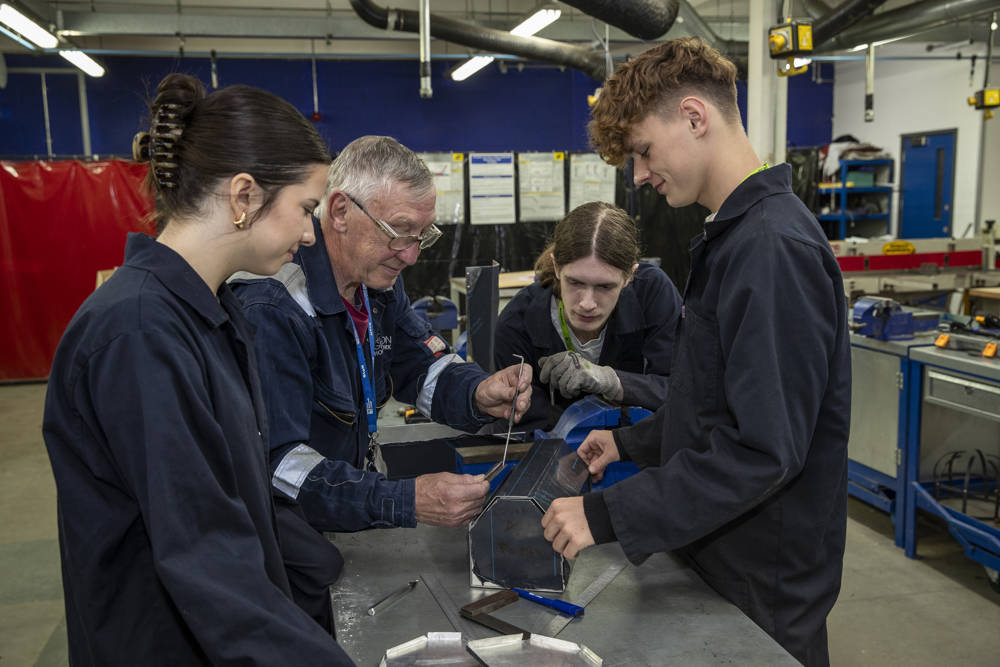
Here you’ll learn skills across the engineering landscape – mechanical, electronic, computer aided design, rail and marine – from a team of highly experienced and knowledgeable teachers in well-equipped modern workshops, giving you the know-how and the confidence to engineer your perfect career.
Engineering remains one of our city’s finest exports. Join the next generation of changemakers with us.
Subject highlights
- learn what employers need, on courses designed in collaboration with industry
- hear from visiting professionals and find out what engineering careers are really like
- connect with potential employers on work placements, workplace projects and live assessments
- get to grips with the latest specialist engineering equipment in modern workshops.
Course: Level 2 Diploma in Engineering
- Course Type: Vocational
- Campus: Highbury Campus
- Attendance: Full-time
- Course Code: P122195
Course: Level 3 AAQ in Engineering
- Course Type: Vocational
- Campus: Sixth Form Campus
- Attendance: Full-time
- Course Code: Q274197
Course: Level 3 BTEC Extended Diploma in Advanced Manufacturing Engineering
- Course Type: Vocational
- Campus: Highbury Campus
- Attendance: Full-time
- Course Code: P265734


Our facilities
At City of Portsmouth College, we’ve invested in up-to-date kit across a wide range of engineering specialisms. Guided by experienced professionals, you’ll learn vital skills.
Key facilities include:
- dedicated specialist workshops for mechanical and electrical engineering
- computer automated design (CAD) engineering and 3D printing facilities
- space for experiments and investigations
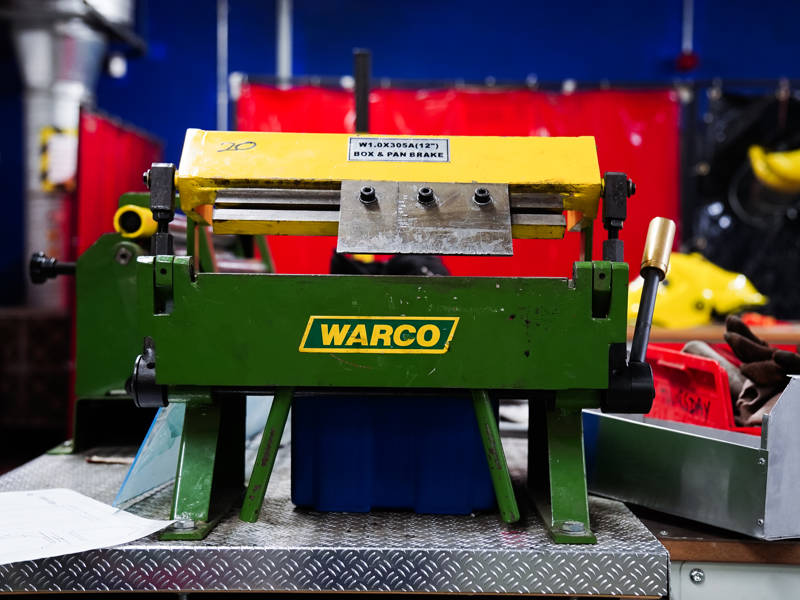
- new equipment to support hands-on and theory learning, including table-top machinery
- practical railway engineering sessions at Hollycombe Steam in the Country.
Virtual tour
Take a closer look at our learning spaces and stand-out facilities with our interactive 360° virtual tour.
A great way to explore our facilities before booking a visit.
“All of my teachers are good and they really care. They help you when you need help. If you want to be an engineer, this course is a good place to start.”Alexandru Lucan
Studying: Level 3 Extended Diploma in Manufacturing Engineering
School: UTC Portsmouth
Future plans: Electrical engineer entrepreneur
Careers within the engineering industry
Rolling Stock Engineering Technician
Rolling Stock Engineering Technicians maintain, service and repair rail vehicles including trains.
Main responsibilities:
- Inspect, maintain and fix trains and carriages
- Install and test electrical systems, from lighting to control panels
- Identify faults in bodywork, undercarriages, couplings and brakes
- Dismantle, rebuild and test mechanical, electrical and pneumatic components
- Keep up-to-date and accurate maintenance and service records

Salary range:
£24,000 - £45,000
Marine Engineering Technician
Marine Engineering Technicians build, service and repair ships, boats and submarines.
Main responsibilities:
- Install and fit out mechanical and electrical systems on marine craft
- Service and fix engines, propulsion systems and onboard machinery
- Test and maintain instruments, navigation kit and safety gear
- Operate remote controlled underwater vehicles for inspections and repairs
- Support specialist systems on naval vessels, including radar and sonar

Salary range:
£24,000 - £43,000
Mechanical Engineer
Mechanical Engineers design, build and install all kinds of machinery used in industry.
Main responsibilities:
Assess the reliability and safety of equipment and machinery
- Test mechanical systems and analyse the data to improve performance
- Turn concepts into technical plans using computer aided design (CAD) software
- Oversee maintenance in environments like buildings, power stations and factories
- Lead engineering project teams of technicians, designers and other engineers

Salary range:
£26,000 - £52,000
Electronics Engineer
Electronics Engineers develop and design systems for everything from phones to planes.
Main responsibilities:
- Design and develop new electronic systems and circuits
- Use computer aided design (CAD) software to create technical plans
- Test prototypes, analyse performance and refine designs
- Maintain and upgrade electronic components and systems
- Produce technical documentation and ensure compliance with safety standards

Salary range:
£28,000 - £60,000
Engineering Project Manager
Engineering Project Managers direct and oversee engineering teams to deliver specific initiatives.
Main responsibilities:
- Lead teams, manage budgets and timelines, and make sure safety standards are met
- Prepare project proposals and progress reports, and analyse data to improve processes
- Create and manage schedules to keep projects on time and within budget
- Motivate team members and assign tasks based on their skills and strengths
- Close down completed projects and prepare for transition to the next

Salary range:
£41,000 - £60,000
Let’s help you shape your future.
Bringing steam trains into the digital age
We were fascinated to see Hitachi Rail successfully integrate digital signalling technology into a steam locomotive originally designed in the 1940s. By enabling real-time communication between trains and infrastructure, the system is designed to improve safety, reliability and capacity on the network. The trial of this hybrid approach took place in Wales. It involved adding a turbogenerator, axle-driven alternator and battery bank to the train, along with Hitachi Rail’s software.
Frequently asked questions
Our Engineering courses cover key areas such as mechanical engineering, electrical engineering and manufacturing, alongside specialist pathways including Railway Engineering.
Each programme is designed to reflect current industry demand, giving you the technical knowledge and practical skills employers are looking for. Whether you're interested in how machines are built, how electrical systems operate or how large-scale infrastructure is maintained, there is a route to match your ambition.
Courses are available at different levels, allowing you to build strong foundations before progressing to more advanced technical study. With commitment and curiosity, you can find your brilliance in one of the most dynamic and impactful industries.
Railway Engineering focuses on the infrastructure, systems and maintenance that keep rail networks operating safely and efficiently.
You'll explore areas such as track systems, signalling, safety standards and mechanical components, developing an understanding of how complex rail operations function in the real world. This specialist pathway responds to ongoing demand within the rail sector and prepares you for roles linked to rail infrastructure and maintenance.
Engineering is built on mathematical and scientific principles, including measurement, calculation and understanding how materials and systems behave.
Each course page clearly outlines the specific entry requirements, including any required maths or science grades. If you're committed and ready to develop your skills, we'll support you to strengthen your understanding as you progress through your studies.
Engineering programmes combine classroom-based learning with significant hands-on workshop experience.
You'll spend time using industry standard tools and equipment, applying technical theory to practical tasks. This balance helps you build confidence, accuracy and safe working practices, all essential qualities in an engineering environment.
Learners train in specialist workshops, fabrication areas and technical laboratories designed to reflect real engineering settings.
Working in professional style environments prepares you for the expectations of industry, from precision and problem solving to teamwork and health and safety awareness.
Many of our Engineering courses are informed by strong employer partnerships.
These links help ensure that what you learn aligns with current industry standards and expectations. Employer engagement may include guest speakers, project input or insight into real workplace practices, giving you a clearer view of your future career path.
Engineering qualifications can lead to careers in technician roles, maintenance engineering, manufacturing, rail infrastructure and related technical fields.
Many students progress to higher level engineering study, apprenticeships or employment within local and national engineering companies. The sector offers long term career prospects for those who enjoy problem solving, precision and practical work.
Engineering is one of the strongest apprenticeship pathways, offering opportunities to earn while you train.
Apprenticeships allow you to gain recognised qualifications alongside valuable workplace experience, helping you develop the skills, discipline and confidence required to succeed in a competitive and highly skilled industry.
People who viewed this subject also viewed





Have a question?
Get in touch and our advice and guidance team will be more
than happy to answer any questions you may have and guide
you in the right direction.